
Peace in Our Time?
What the real strategy is behind the US-Iran MOU.

The fourteen-points of the memorandum of understanding between the United States and Iran suggest a surrender. According to the MOU, the Americans agree to withdraw their forces, lift their naval blockade, and permit Iran to control the Strait of Hormuz. The Americans also agree to lift economic sanctions, and guarantee peace in Lebanon.
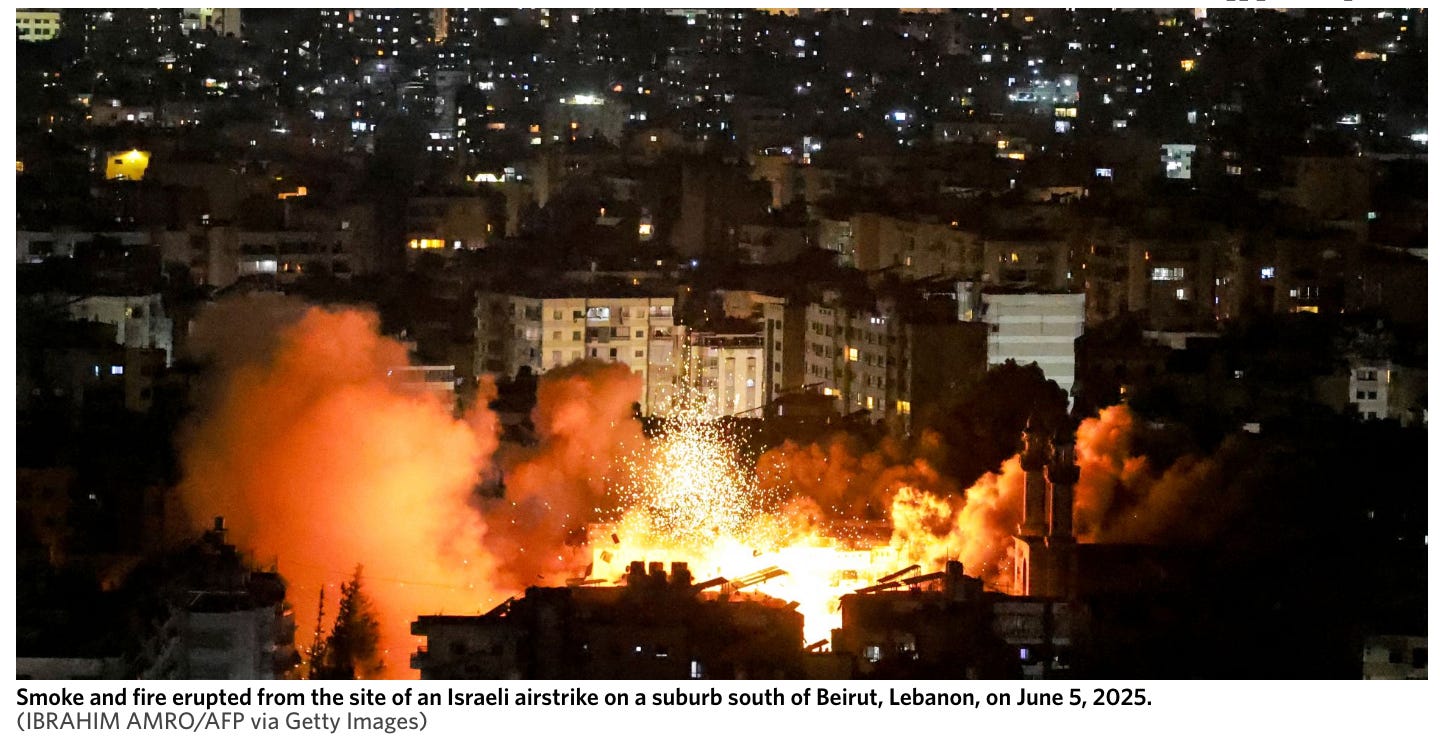
The Lebanon clause makes this MOU unfeasible. Instead of withdrawing, the Israelis have deepened their offensive against Hezbollah. In response, the Iranians have refused to sign the MOU.
Eventually, the MOU will be signed because while it is not feasible it is necessary. Expecting a quick victory, the Americans have depleted their munitions. Trump said that America will run out of strategic petroleum reserves in four weeks. The exhausting summer heat makes a ground invasion impractical, and the Pentagon has warned Trump that an attempt to seize Kharg Island or Iran’s uranium would be too risky. American farmers are running out of fertilizer, and the unnecessary war and inflation spell doom for the Republicans in the mid-terms.
Iran has put on a brave face, but Trump’s naval blockade has imposed tremendous suffering on the Iranian people. Pakistan has worked hard to negotiate a permanent ceasefire, and we can surmise that it has done so at the behest of both the Americans and the Chinese.